Solar Panel Mounting system
Choosing the correct solar panel mounting system is one of the most important decisions when planning a solar installation. A quality solar panel mounting system provides the structural support required to securely fix solar panels to a roof or ground-mounted framework. Designed to withstand wind, rain and long-term environmental exposure, the correct mounting system helps ensure a safe, reliable and long-lasting solar installation.
The mounting system should always be selected based on the roof construction rather than the solar panels themselves. Different roof types require different fixing methods to safely transfer the weight of the solar array into the building structure.
This guide explains the different types of solar panel mounting systems, how they work together, and how to choose the right mounting solution for your project. Throughout this guide, you’ll also find links to the individual mounting kits, roof fixings and components available from Solar PV Systems. If you’re planning a complete solar installation, you may also find our Off-Grid Solar Systems Guide and Solar Battery Storage Guide useful when selecting compatible equipment.
What is a Solar Panel Mounting System
A solar panel mounting system is the framework used to securely support photovoltaic (PV) solar panels. A complete solar panel mounting system consists of several components that work together to provide a secure, long-lasting installation. These typically include roof hooks, solar mounting rails, cross rail connectors, mid clamps and end clamps. Cross rail connectors are used where two aluminium mounting rails intersect at 90°, providing a strong and secure connection between the rails. They are commonly used in cross-rail solar mounting systems to improve strength and stability.
A correctly selected mounting system provides:
- Secure support for solar panels
- Safe transfer of wind and snow loads
- Long-term weather resistance
- Correct panel spacing and alignment
- Reliable performance for many years
How to Choose the Correct Solar Panel Mounting System
The first step is always to identify the roof or installation type.
Every roof requires a different fixing method, as the mounting system must safely transfer the weight of the solar panels, together with wind and snow loads, into the building structure.
Using the wrong mounting system can lead to:
- Water ingress
- Loose or damaged panels
- Structural damage
- Reduced system lifespan
- Increased maintenance costs
Your mounting system should always be selected according to:
- Roof covering
- Roof pitch
- Building structure
- Wind exposure
- Solar panel dimensions
Choose Your Solar Mounting System by Roof Type
Roof Type | Recommended Mounting Solution |
Concrete Tile Roof | |
Clay Tile Roof | Plain Tile Solar Panel Fixing Kits | Clay tile roof covering |
Slate Roof | |
Marley Tile Roof | |
Standing Seam Metal Roof | |
Calzip Claw | |
Corrugated / Box Metal Roof | |
Rafter fixing fibre roof | |
Flat Roof | |
Ground Installation |
Components of a Solar Panel Mounting System
Most roof-mounted solar installations use several components working together to provide a secure and reliable installation. A complete solar panel mounting system consists of several components that work together to provide a secure, long-lasting installation. These typically include roof hooks, solar mounting rails, cross rail connectors, mid clamps and end clamps. Selecting compatible components ensures the mounting system remains structurally sound and suitable for long-term outdoor use.
Solar PV roof fixings, including roof fixing brackets, mounting rails, mid clamps, end clamps and rail connectors, provide the structural support required to securely install solar panels on a wide range of roof types.
These typically include:
- Roof Hooks or Roof Fixings
- Aluminium Solar Rails
- Mid Clamps
- End Clamps
- Rail Connectors
- Earthing & Bonding Components
- Fasteners and Fixings
- Mounting Accessories
Every component performs an important role in supporting the solar panels while safely transferring loads into the roof or supporting structure.
A reliable solar panel mounting system relies on compatible components working together. Roof hooks must match the roof covering, solar rails must be suitable for the panel layout, and mid clamps and end clamps must fit the frame thickness of your solar panels. Using compatible components helps ensure a secure installation and simplifies future maintenance.
Roof Types 🏠 Slate 🏠 Pan Tile 🏠 Flat Roof 🏠 Corrugated 🏠 Standing Seam
Secure the complete system
Roof Type | Difficulty to install | Typical mounting |
Slate | Medium | Slate Hooks |
Concrete Tile | Easy | Tile Hooks |
Plain Tile | Easy | Plain Tile Brackets |
Flat Roof | Medium | Ballasted Frame |
Ground | Medium | Ground Mount |
Solar Panel Mounting Kits
Solar panel mounting kits provide a convenient solution by supplying compatible mounting components designed for specific roof types. Most kits include rails, roof fixings, clamps and associated hardware, making it easier to select compatible products.
Browse our complete range of Solar Panel Mounting Kits suitable for slate, pan tile, concrete tile, flat roof and ground-mounted projects.
➡ View our Solar Panel Mounting Kits Solar Panel Mounting Kits UK | Roof & Ground Solutions
Solar PV Roof Fixings
Roof fixings provide the connection between the roof structure and the aluminium mounting rails. Different roof coverings require different fixing methods to ensure a secure installation without compromising weatherproofing.
➡ View our Solar PV Roof Fixings Solar PV Roof Fixings – SolarPVSystems
Slate Roof Fixings
Slate roofs require specialist mounting brackets designed to minimise the risk of damaging the roof covering while providing a secure fixing into the supporting rafters.
➡ View our Slate Roof Fixings PV Slate fixing | Brackets
Pan Tile Fixings
Pan tile roofs require fixing systems specifically designed to accommodate the profile of the roof tiles while maintaining correct support for the mounting rails.
➡ View our Pan Tile Fixings Solar PV Roof fixing pantile Vario 2 brackets
Flat Roof Mounting Systems
Flat roof solar installations typically use ballasted or mechanically fixed mounting systems designed to achieve the correct panel angle while protecting the roof covering.
➡ View our Flat Roof Mounting Systems Flat roof – SolarPVSystems
Ground Mounted Systems
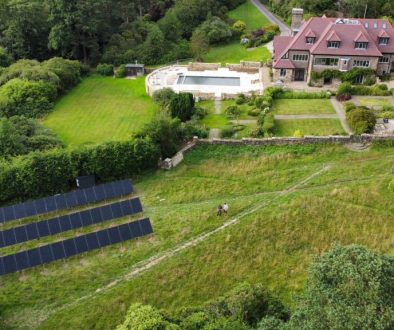
Ground-mounted solar systems provide an ideal solution where roof installation is unsuitable or additional solar capacity is required. These systems are commonly used for domestic, agricultural and commercial projects.
➡ View our Ground Mounted Systems Ground mounted – SolarPVSystems
Solar Rails
Solar mounting rails provide the structural framework that supports the solar panels. Rails are available in various lengths and profiles to suit different mounting systems and panel layouts.
Where a cross-rail configuration is required, compatible K2 Systems Cross Rail Connectors are used to securely join intersecting rails, helping maintain the strength and stability of the complete mounting system.
➡ View our Solar Rails PV Roof Rail | 3.65m length – solar panel fixing
Roof Hooks
Roof hooks provide the connection between the roof structure and the aluminium mounting rails. Different hook designs are available for slate, tile and specialist roof coverings.
➡ View our Roof Hooks Solar-PV-Sysytems-Solar-fixing-parts.pdf
Mid Clamps
Mid clamps secure adjacent solar panels to the mounting rails while maintaining the correct spacing between each panel.
➡ View our Mid Clamps Solar PV middle clamp Panel Mid fixing
End Clamps
End clamps secure the outer edges of the solar panel array and complete the mounting system.
➡ View our End Clamps
Solar PV fixing end clamp for roof panels
How the Components Work Together
Every component within a solar mounting system has been designed to work together as a complete structural assembly. Selecting compatible components helps ensure the installation remains secure throughout the lifetime of the solar panels.
Roof Structure
Roof Hook / Roof Fixing | Connects to the roof structure |
Solar Rail | Supports the solar panels |
Mid Clamp | Secures adjoining panels |
End Clamp | Secures the outer panels |
Earthing Components | Electrical bonding |
Fasteners | Secure the complete system |
Using compatible products ensures the mounting system performs safely throughout its service life.
Choosing the Correct Roof Mounting System
Every solar panel mounting system is made up of several compatible components that work together to create a secure, long-lasting installation. Choosing quality mounting products helps improve reliability, ease of installation and long-term performance.
If you’re planning an off-grid installation, read our Off-Grid Solar Systems – Complete UK Buyer’s Guide before selecting your mounting equipment.
Frequently Asked Questions
What solar panel mounting system do I need
The correct mounting system depends on your roof covering, roof pitch and building structure. Always choose a mounting system specifically designed for your roof type.
Can solar panels be installed on a slate roof
Yes. Slate roofs require specialist slate roof fixings designed to minimise damage to the roof while providing a secure installation.
Can solar panels be installed on a flat roof
Yes. Flat roofs generally use ballasted or mechanically fixed mounting systems depending on the roof construction.
What are solar mounting rails
Solar rails provide the structural framework that supports the solar panels and connects them to the roof fixings.
What is the difference between mid-clamps and end clamps
Mid clamps secure neighbouring panels, while end clamps secure the outside edges of the solar array.
Can I install a ground-mounted solar system
Ground-mounted systems are an excellent option where roof installation is unsuitable or where additional solar capacity is required.
Why Choosing the Correct Mounting System Matters
Selecting the correct solar panel mounting system is essential for the long-term safety and performance of your installation. Every roof covering has different structural characteristics and requires a mounting solution specifically designed for that roof type.
Using the correct mounting system helps:
- Protect the roof covering from unnecessary damage
- Maintain the weatherproof integrity of the roof
- Safely transfer wind and snow loads into the building structure
- Extend the lifespan of both the roof and the solar installation
- Ensure compatibility between all mounting components
Whether you’re installing solar panels on a slate roof, concrete tiles, corrugated metal or a flat roof, choosing compatible roof fixings, rails and clamps is the foundation of a safe and reliable installation.
- How long do solar mounting systems last = 25 plus yeara
- Are aluminium solar rails rust-proof = Yes
- Can I reuse existing solar roof fixings = Yes with compatible systems
- Which mounting system is best for high wind areas = Designed to match
- Do mounting systems fit every solar panel = Yes
Before You Buy
- Confirm your roof covering.
- Measure your roof.
- Check the solar panel dimensions.
- Confirm the rail length required.
- Choose compatible clamps.
- Select the correct roof fixings.
- Ensure all components are from the same mounting system where possible.
Related Solar Mounting Categories
Browse our complete range of solar mounting products:
- Solar Panel Mounting Kits – Solar panel mounting – SolarPVSystems
- Solar PV Roof Fixings – Solar PV Roof Fixings – SolarPVSystems
- Slate Roof Fixings – Slate solar kits – SolarPVSystems
- Pan Tile Fixings – Pan tile fixing kits – SolarPVSystems
- Flat Roof Mounting Systems – Flat surface solar mounting – SolarPVSystems
- Ground Mounted Systems – Ground mounted – SolarPVSystems
- Solar Rails – Solar Panel Fixings – Brackets, Clamps & Screws
- Roof Hooks & Mid Clamps – Solar-PV-Sysytems-Solar-fixing-parts.pdf
Need Help Choosing the Right Solar Panel Mounting System
If you’re unsure which mounting system is suitable for your project, browse the product categories above or contact our technical team with your roof type, roof pitch and solar panel details. We’ll help you identify compatible mounting components before you place your order.
If you’re new to solar energy, our How Do Solar PV Systems Work guide explains how solar panels, inverters, battery storage and mounting systems work together.
At Solar PV Systems, we supply a complete range of solar panel mounting systems, roof fixings, aluminium rails, clamps and accessories for domestic, commercial and off-grid installations throughout the UK. Browse our product categories above or contact our team if you’d like help choosing compatible mounting components for your project.
Links to our solar equipment guides are listed below.
- Solar PV Systems
- Solar Battery Storage
- Off-Grid Solar Systems
- Solar Panel Mounting Systems
- Solar Hot Water Systems
Planning an off-grid installation. Read our Complete Off-Grid Solar Systems Guide before choosing your mounting system.
If your installation includes batteries. See our Complete Guide to Solar Battery Storage.
Not sure what equipment you need. Our Create Your Own Solar System Guide explains the whole process.
Looking for a complete battery solution. Browse our range of Solar Home Battery Kits designed for domestic energy storage and hybrid solar systems.