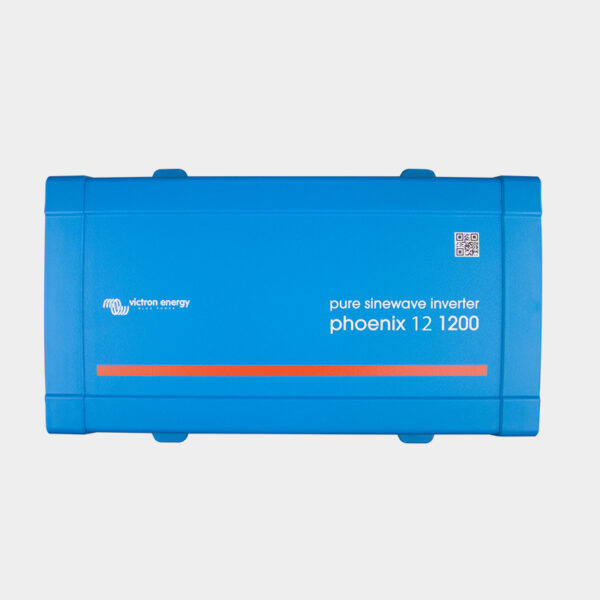
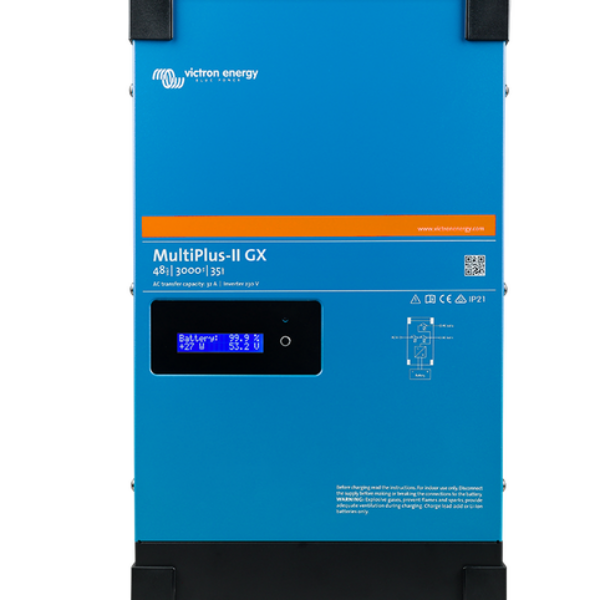
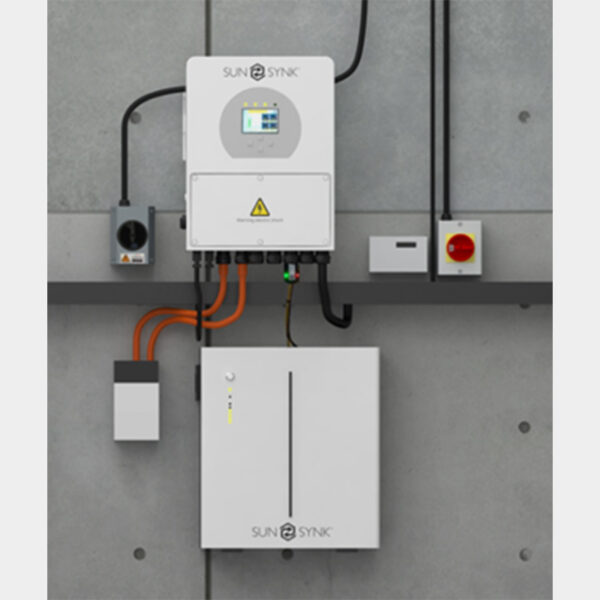
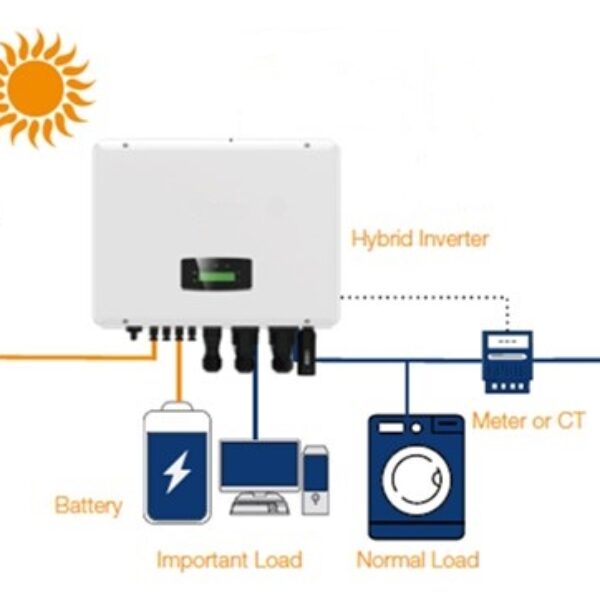
£2,154.00–£3,240.00Price range: £2,154.00 through £3,240.00Select optionsThis product has multiple variants. The options may be chosen on the product page
£1,950.00–£2,950.00Price range: £1,950.00 through £2,950.00Select optionsThis product has multiple variants. The options may be chosen on the product page
£2,450.00–£9,450.00Price range: £2,450.00 through £9,450.00Select optionsThis product has multiple variants. The options may be chosen on the product page
£5,220.00–£6,180.00Price range: £5,220.00 through £6,180.00Select optionsThis product has multiple variants. The options may be chosen on the product page
£1,080.00–£1,750.00Price range: £1,080.00 through £1,750.00Select optionsThis product has multiple variants. The options may be chosen on the product page
Solar Battery Storage UK
Solar Batteries, Home Storage Systems, Hybrid Inverters and Off-Grid Equipment
Solar PV Systems supplies solar battery storage equipment across the UK for homeowners, businesses, self-builders and off-grid applications. Our range includes individual solar batteries, home battery storage systems, hybrid inverters, battery chargers, battery accessories and complete solar energy storage equipment.
Whether you want to store surplus electricity generated by your solar panels, add battery storage to an existing solar PV system or select equipment for an off-grid application, choosing compatible components is essential.
Browse our solar storage products to compare available equipment, specifications and prices. Check each product description carefully to establish which components are included and whether the selected equipment is suitable for your system.
Choosing the Right Solar Battery Storage System
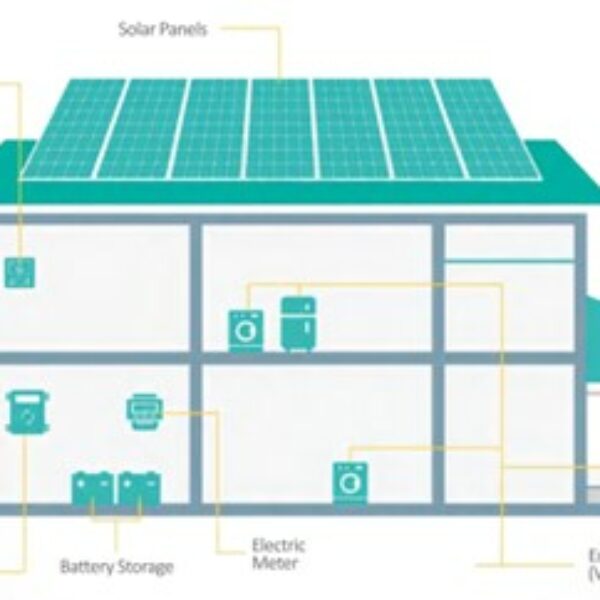
Solar battery storage allows electricity to be stored for use at a later time. For a solar PV installation, this can make it possible to use more of the electricity generated during daylight hours when it is needed in the evening or when solar generation is lower.
The right equipment depends on your electricity requirements, existing solar PV system, intended application and budget. Some customers need an individual replacement battery, while others are looking for a complete storage system, hybrid inverter or equipment for an off-grid installation.
Our range includes solar batteries, home storage systems, inverters and associated components for a variety of applications. Always check the specifications of the individual product before ordering.
Home battery storage systems are designed to store electricity for later use in a suitable domestic energy system. Depending on the equipment selected, stored energy may come from solar generation, the electricity grid or both.
When comparing home battery storage products, consider the battery capacity, inverter arrangement, charging options and whether the system supports the functions you require.
Check the individual product listing to confirm the equipment supplied, its intended application and any additional components needed.
Individual batteries can be suitable for compatible new systems, replacement requirements or selected storage upgrades.
Battery capacity is important, but it is not the only factor to consider. Battery chemistry, nominal voltage, usable capacity, communication requirements and compatibility with the inverter must also be checked.
Do not assume that two batteries are interchangeable simply because they have similar capacities. Consult the manufacturer’s specifications to establish whether a battery is suitable for your intended system.
Hybrid Solar Inverters and Home Storage Inverters
Hybrid inverters can manage electricity from compatible solar panels, batteries and the property’s electrical system. The capabilities and supported battery types vary between models.
When choosing an inverter, check its power rating, supported battery specifications, solar input requirements and operating modes. If you are adding storage to an existing solar installation, establish whether your current inverter can support the proposed battery or whether a different arrangement is required.
Review the individual product specifications before selecting equipment for your installation.
Grid-Connected Solar Battery Storage
Grid-connected battery storage can help you make greater use of electricity generated by a solar PV system. Surplus electricity can be stored in a compatible battery and used later, depending on the system configuration and operating settings.
The potential benefit depends on your solar generation, electricity consumption, battery capacity and when you use electricity. Your electricity tariff and the charging options supported by the equipment can also affect how you use stored energy.
Before choosing a grid-connected storage system, check the compatibility of the battery, inverter and existing solar installation.
Off-Grid Solar Battery Storage
Off-grid solar systems are designed for applications that operate independently of the electricity grid. These may include suitable cabins, workshops, agricultural buildings, remote locations and other installations without a conventional mains connection.
An off-grid system must be designed around the electrical loads it needs to supply, the available solar generation and the amount of energy that needs to be stored.
Battery capacity, inverter power, charging arrangements and system voltage all need to be considered. Make sure the selected products are suitable for the intended application rather than assuming that a standard home storage product will meet off-grid requirements.
Battery backup and mobile power products serve different purposes depending on their design and specifications.
If you need electricity during a power cut, check that the particular equipment supports backup operation and can supply the loads you intend to run. A battery storage system does not necessarily provide power automatically when the grid fails.
For mobile or off-grid applications, check the product’s output ratings, capacity, charging options and intended use before purchasing.
Lithium-Ion and LiFePO₄ Solar Batteries
Lithium-ion batteries are widely used in modern solar storage applications because they can offer high energy efficiency and compact storage capacity.
Lithium iron phosphate (LiFePO₄) is a type of lithium battery chemistry commonly used in energy storage. Product characteristics vary, so compare the manufacturer’s stated capacity, cycle-life information, operating limits, warranty and compatibility requirements.
Lead-acid batteries may still be suitable for some applications, including selected off-grid systems where upfront cost is an important consideration. The appropriate technology depends on how the battery will be used and the requirements of the system.
Rather than choosing on battery chemistry alone, compare the specifications and suitability of each product for your application.
What Size Solar Battery Do You Need
The appropriate solar battery capacity depends on how much electricity you use, when you use it, how much surplus solar energy is available and how much stored energy you want to use later.
A larger battery is not automatically the best option. The aim is to choose a capacity that meets your requirements without paying for storage that you are unlikely to use.
When comparing solar batteries, consider the following factors:
Battery capacity: The rated capacity, normally expressed in kilowatt-hours (kWh), and the usable capacity stated by the manufacturer.
Electricity consumption: How much energy you use and when your demand is highest.
Solar generation: How much surplus electricity your panels are likely to produce.
Inverter compatibility: Whether the battery is supported by your existing or proposed inverter.
Charging arrangements: Whether the system can charge from solar generation, the grid or other supported sources.
Backup requirements: Whether the equipment supports backup operation and the loads you need to supply.
Future expansion: Whether additional batteries can be added, subject to the manufacturer’s limits and system compatibility.
These factors help you compare equipment according to your actual needs rather than selecting a battery based on capacity or price alone.
Can You Add Battery Storage to an Existing Solar PV System
Many existing solar PV systems can be upgraded with battery storage, but the appropriate solution depends on the equipment already installed.
An AC-coupled battery system can be suitable for some existing installations, while other systems may be better suited to a compatible hybrid inverter or another supported configuration.
Before purchasing, identify the make and model of your existing inverter and check the battery manufacturer’s compatibility information. Battery voltage, communication protocols, charging requirements and the electrical arrangement all need to be considered.
Do not assume that every solar battery will work with every inverter. Check the technical specifications and seek appropriate technical advice if you are unsure which equipment is suitable.
Our Complete Guide to Solar Battery Storage provides further information to help you understand the options.
Can Solar Batteries Charge from Off-Peak Electricity
Some battery storage systems can charge from the electricity grid as well as from solar generation. Where supported by the equipment and electricity tariff, charging during lower-cost periods may allow stored electricity to be used at other times.
Whether this is appropriate depends on your tariff, charging controls, battery specifications and electricity consumption. Check the product information to establish which charging options are supported by the equipment you are considering.
Can Battery Storage Work Without Solar Panels
Some battery systems can charge from the electricity grid without solar panels, provided the equipment supports this operation.
This arrangement may be considered by customers who want to store electricity purchased from the grid for later use. The suitability and potential financial benefit depend on the equipment, tariff structure, charging losses and the difference between electricity prices at different times.
Check the product specifications and your electricity tariff before deciding whether this type of storage arrangement is appropriate.
How Long Do Solar Batteries Last
Solar battery lifespan varies according to the battery technology, product design, operating conditions, charging and discharging patterns, and how the system is maintained.
When comparing products, review the manufacturer’s warranty, specified cycle life, operating limits and any conditions that apply to the warranty. Do not assume that all batteries have the same expected service life or warranty period.
The manufacturer’s documentation is the best source for the expected performance and warranty of an individual battery.
Solar Battery Storage Accessories and Spare Parts
In addition to batteries and storage systems, our range includes selected inverters, battery spare parts and associated electrical components.
Depending on the system, compatible equipment may include:
Hybrid and storage inverters
Battery management equipment
Solar battery cables
DC isolators and battery isolators
Solar PV cables
Other compatible electrical accessories
The components required will depend on the system design and the products selected. Check model numbers, ratings, connections and manufacturer specifications carefully before ordering replacement parts or additional equipment.
Choosing Between Grid-Connected, Off-Grid and Backup Systems
These applications can all use battery storage, but they have different requirements.
Grid-connected storage works as part of a suitable installation connected to the electricity grid. It can store electricity for later use, subject to the system configuration.
Off-grid storage is designed for systems operating independently of the grid and must be sized for the intended loads and available energy generation.
Battery backup is designed to supply specified loads when the normal electricity supply is unavailable, where the equipment and system configuration support this function.
Establish which application you need before choosing a product. The battery, inverter and supporting equipment must be suitable for the intended operation.
Why Buy Solar Battery Storage Equipment from Solar PV Systems
Solar PV Systems is a UK solar equipment supplier with over 20 years of experience supplying renewable energy products. Our range includes solar batteries, home storage systems, hybrid inverters, off-grid equipment and related accessories.
We supply equipment and technical information to help customers identify products suitable for their requirements. Whether you are upgrading an existing solar PV system or sourcing components for a new project, checking compatibility and specifications is essential.
Solar PV Systems is a supply-only business and does not provide installation services. Customers should ensure that equipment selection and installation requirements are assessed appropriately for their particular system.
Need Help Choosing Solar Battery Storage
If you are unsure which battery, inverter or storage equipment is suitable, start by identifying your intended application and the equipment you already have.
When seeking technical assistance, it is useful to provide:
The make and model of your existing inverter, if applicable
Details of any existing batteries
Your intended battery capacity or electricity storage requirements
Whether the system is grid-connected or off-grid
Whether backup power is required
The intended application and any relevant equipment specifications
This information can help establish which products may be suitable for further consideration.
Related Solar Guides and Equipment
Explore our other solar information pages to learn more about the equipment used in renewable energy systems:
Browse our solar storage products to compare the available batteries, inverters, storage systems and accessories. Always confirm product specifications and compatibility before ordering.