
Off-Grid

12/24v Phoenix inverters
Price range: £80.57 through £291.50 Select options This product has multiple variants. The options may be chosen on the product page


Battery cable lengths
Price range: £13.80 through £108.00 Select options This product has multiple variants. The options may be chosen on the product page
Blade fuses
Price range: £12.74 through £42.00 Select options This product has multiple variants. The options may be chosen on the product page

Charge Regulators
Price range: £29.50 through £48.00 Select options This product has multiple variants. The options may be chosen on the product page

Heavy duty battery switch
Price range: £23.40 through £174.00 Select options This product has multiple variants. The options may be chosen on the product page

Lithium ion phosphate
Price range: £160.00 through £846.00 Select options This product has multiple variants. The options may be chosen on the product page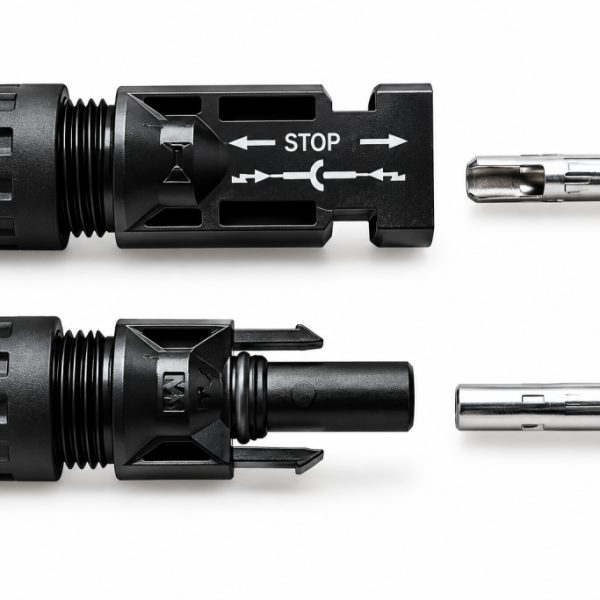
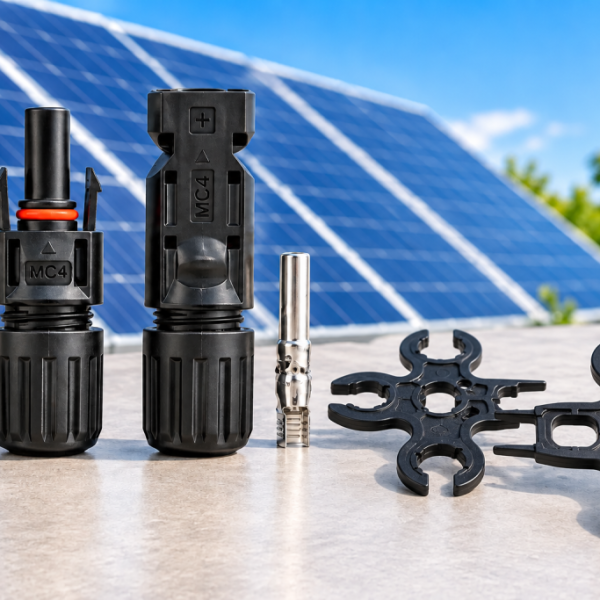

MC4 male female cable
Price range: £9.54 through £54.60 Select options This product has multiple variants. The options may be chosen on the product page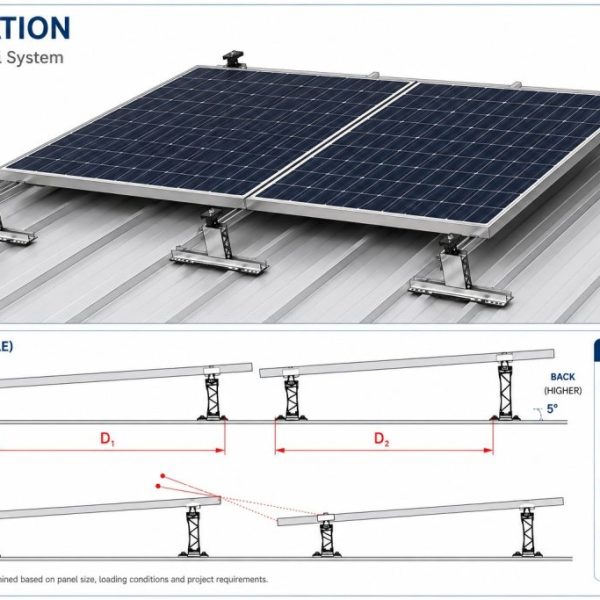
Mini rail angle system
Price range: £90.00 through £720.00 Select options This product has multiple variants. The options may be chosen on the product page

Mobile off-grid power unit
Price range: £300.00 through £1,194.00 Select options This product has multiple variants. The options may be chosen on the product page
Off grid remote solar energy
Price range: £4,680.00 through £9,360.00 Select options This product has multiple variants. The options may be chosen on the product page

PV Cable Cut to length
Price range: £2.94 through £5.58 Select options This product has multiple variants. The options may be chosen on the product page


Pylon solar storage battery
Price range: £750.00 through £1,150.00 Select options This product has multiple variants. The options may be chosen on the product page
Off-Grid Solar Equipment
Off-Grid Solar Kits, Batteries, Inverters and Standalone Power Systems
Solar PV Systems supplies off-grid solar equipment throughout the UK for customers who need a standalone electricity supply, want greater energy independence or are developing a solar power system for a location without a mains electricity connection.
Our range includes off-grid solar systems, solar batteries, inverters, charge controllers, solar panels, battery cables, electrical accessories and selected wind power equipment. Products are available for a variety of applications, from smaller standalone systems to larger off-grid power installations.
Whether you are building a new system, upgrading an existing installation or replacing individual components, choosing compatible equipment is essential for safe and reliable operation.
Off-Grid Solar Systems
An off-grid solar system generates and stores electricity without relying on a standard mains grid connection. Solar panels generate DC electricity, a compatible charge controller or inverter manages the system as appropriate, and batteries store energy for use when solar generation is insufficient.
A typical off-grid solar system may include:
- Solar panels to generate electricity from sunlight.
- Solar batteries to store surplus electricity for later use.
- Off-grid inverters to convert DC electricity into AC electricity for compatible appliances and equipment.
- Solar charge controllers to regulate charging from solar panels where required by the system design.
- Battery cables, fuses, switches and connectors for suitable electrical connections and protection.
- Mounting equipment to secure solar panels in the intended location.
- Additional generation, such as a wind turbine, where appropriate for the application and system design.
- Off-Grid Solar Kits for complete standalone solar applications
- Off-Grid Batteries for storing electricity for use when solar generation is unavailable
- Off-Grid Solar Inverters for converting stored DC energy into usable AC electricity
- Off-Grid Charge Controllers for managing the charging of compatible battery systems
- Off-Grid Accessories including cables, connectors and other system components
Solar panels can also be incorporated into off-grid systems to generate electricity from sunlight. Our Solar Panels category contains the available PV modules.
The components required will depend on the system architecture, electrical loads, battery technology, solar array and intended use. Not every system uses the same configuration, so equipment compatibility should be checked before purchasing.
Off-Grid Solar Applications
Off-grid solar equipment can be used in many situations where connecting to the mains grid is impractical, unavailable or costly.
Typical applications include:
- Remote homes and cabins
- Workshops and sheds
- Garden offices
- Agricultural buildings
- Farms and rural properties
- Caravans and motorhomes
- Boats and narrowboats
- Remote lighting and monitoring equipment
- CCTV and security systems
- Other standalone power applications
The equipment required will depend on the electrical loads being powered, expected daily energy consumption, available solar generation, battery capacity and whether additional generation such as wind power is required. For additional renewable generation, see our Wind Turbine Power range.
Off-Grid Solar Kits and Complete Systems
An off-grid solar kit or complete system can simplify equipment selection by bringing together components intended to work as part of a system.
The appropriate system depends on what you need to power, how much electricity you use and how long the equipment must operate when solar generation is limited.
When comparing off-grid solar systems, consider:
- The appliances and electrical equipment you intend to run.
- Daily electricity consumption, measured in kilowatt-hours (kWh).
- The maximum simultaneous electrical load.
- Whether appliances require a high starting current.
- The required battery storage capacity.
- The available space and orientation for solar panels.
- Seasonal changes in solar generation.
- Whether another charging or generation source is available.
For larger systems, it is particularly important to consider winter generation and the number of days the battery system may need to supply electricity during periods of limited sunlight.
Browse our available off-grid solar systems and packages to compare the equipment options.
Off-Grid Solar Batteries and Battery Storage
Batteries store electricity generated by solar panels or another compatible charging source so that it can be used when generation is unavailable or insufficient.
The correct battery capacity depends on daily electricity consumption, the amount of usable storage required, battery chemistry, permitted depth of discharge and the system’s charging arrangements.
When selecting an off-grid battery, check:
- Nominal battery voltage and compatibility with the inverter.
- Battery capacity and usable stored energy.
- Maximum charging and discharging current.
- Battery chemistry and the manufacturer’s operating requirements.
- Compatibility between the battery and inverter or battery management system.
- Whether the system may need additional battery capacity in the future.
Lithium iron phosphate (LiFePO4) batteries and lead-acid batteries have different characteristics, operating requirements and costs. The best choice depends on the application and the compatibility of the equipment being used.
Do not assume that batteries can be connected together simply because they have the same nominal voltage. Follow the manufacturer’s requirements for battery configuration, protection and charging.
Off-Grid Solar Inverters
An off-grid inverter supplies AC electricity from a suitable DC source, usually a battery bank. The inverter must be selected to suit the connected loads and the system’s electrical configuration.
Important considerations include:
- Battery input voltage.
- Continuous AC output rating.
- Short-duration surge capacity for starting suitable appliances.
- Output voltage and frequency.
- Efficiency and standby consumption.
- Compatibility with the battery technology.
- Charging facilities and other functions, where included.
Some inverter systems incorporate additional functions, such as battery charging or solar energy management. Others are designed for a more specific role. Check the product specifications carefully before choosing an inverter for a new system or replacement.
A higher inverter power rating does not automatically mean that the battery bank can supply the required energy for a long period. Inverter power and battery energy capacity need to be considered separately.
Solar Charge Controllers
Solar charge controllers regulate the charging of a compatible battery from a solar array. The controller must be suitable for the panel configuration, battery voltage and charging requirements.
Before selecting a controller, check:
- Supported battery voltage.
- Maximum solar input voltage.
- Permitted solar array power.
- Maximum charging current.
- Compatibility with the selected battery chemistry.
- The manufacturer’s recommended panel configuration.
The controller must remain within its specified electrical limits under the expected operating conditions. Panel open-circuit voltage, including the effect of low temperatures, is an important consideration when checking the maximum input voltage.
Different controllers have different capabilities, so a controller should not be selected by charging-current rating alone.
Off-Grid Solar Equipment for Homes, Cabins and Remote Locations
Standalone solar equipment can be used in a wide variety of applications where a mains connection is unavailable, impractical or not the preferred option.
Potential applications include:
- Remote homes and cabins.
- Workshops, sheds and garden offices.
- Farms and agricultural buildings.
- Rural properties and outbuildings.
- Caravans and motorhomes.
- Boats and narrowboats.
- Remote lighting and monitoring equipment.
- CCTV and security systems.
- Other standalone power applications.
The equipment required will vary considerably between applications. A system supplying occasional lighting and small electrical devices will have different requirements from one supplying refrigeration, pumps, power tools or other high-demand equipment.
For mobile applications, check the equipment’s suitability for the intended environment, available mounting space, ventilation and electrical installation requirements.
Off-Grid Solar Panels and Mounting Equipment
Solar panels provide the energy input for a solar-powered off-grid system. The number and type of panels required depend on expected electricity consumption, available sunlight, panel orientation, shading and the charging equipment being used.
Panel capacity should not be selected solely on summer performance. Solar generation in the UK varies by season, and winter output can be considerably lower than summer output.
The mounting system must also be suitable for the installation surface and the particular panels being used. Check that the panel mounting equipment, electrical connectors and cables are appropriate for the intended application.
See our Solar Panels category for available PV modules and our relevant solar mounting and fixing products for panel support options.
Wind Power and Additional Charging Sources
Some off-grid installations use an additional energy source to supplement solar generation. A compatible wind turbine may be considered where the site and wind conditions make it appropriate.
Before combining wind generation with a solar and battery system, check the turbine’s electrical output, charging arrangements, battery compatibility and any required control or protection equipment.
Wind generation is site-dependent and should not be assumed to provide a consistent amount of electricity. The system must be designed around the expected energy demand and the characteristics of each generation source.
See our available Wind Power equipment for relevant products.
Choosing the Right Off-Grid Solar Equipment
Selecting components that work together is one of the most important parts of an off-grid system. Before ordering, establish the system’s electrical requirements and check the specifications of each component.
Use this checklist when comparing products:
- List the loads: Identify the appliances and equipment that need electricity.
- Estimate energy use: Work out the expected daily consumption in kWh.
- Check peak demand: Consider the maximum simultaneous load and any starting surges.
- Determine battery storage: Allow for required usable capacity and periods of limited generation.
- Choose the solar array: Consider available space, shading, orientation and seasonal performance.
- Match the controller and inverter: Check voltage, current, power and compatibility limits.
- Check protection and cabling: Confirm that suitable cables, fuses, switches and connectors are specified for the system.
- Allow for future requirements: Consider whether additional loads or storage may be needed later.
Where the system is large, complex or intended to supply important electrical loads, obtain appropriate professional system design advice before purchasing equipment.
Off-Grid Solar Equipment for DIY Customers
Solar PV Systems supplies off-grid solar equipment for DIY projects, replacement requirements and trade customers throughout the UK. Our range includes individual components as well as complete off-grid systems, allowing customers to source equipment according to their requirements.
We are a supply-only business and do not provide installation services. Customers are responsible for ensuring that the equipment selected is appropriate for their intended application and that the installation is carried out safely and in accordance with applicable requirements.
Before placing an order, check the product description, technical specifications, included components and compatibility with your existing or planned system.
Frequently Asked Questions
Can off-grid solar work without a mains electricity connection
Yes. An appropriately designed standalone system can generate and store electricity without a mains grid connection. Its ability to meet demand depends on the solar array, energy consumption, storage capacity and any additional generation or charging sources.
How many solar panels do I need for an off-grid system
The number depends on daily electricity use, panel output, available sunlight, seasonal conditions and the charging equipment. A system should be sized using expected energy consumption and realistic generation estimates rather than panel count alone.
How much battery storage do I need
Battery capacity depends on the electricity required when generation is insufficient, the required period of autonomy and the usable capacity permitted by the battery manufacturer. The battery must also be compatible with the inverter and charging system.
Can I add batteries to an existing off-grid system
Potentially, but compatibility must be checked first. Battery voltage, chemistry, charging limits, battery management requirements and the existing inverter or controller can affect whether additional storage can be incorporated.
Can I use a wind turbine with off-grid solar panels
A wind turbine can supplement solar generation in a suitably designed system. The turbine, controller, battery bank and protection equipment must be compatible, and expected output depends on the conditions at the site.
Does Solar PV Systems install off-grid solar equipment
No. Solar PV Systems supplies equipment only and does not provide installation services. Customers should ensure that system design and installation meet the relevant safety and technical requirements.
Browse Off-Grid Solar Products
Explore the available range of off-grid solar systems, batteries, inverters, charge controllers, cables, connectors and related equipment to find products suited to your project.
Check the specifications of each item and confirm compatibility before ordering. If you are comparing components for a new system, start with your expected electricity consumption and system voltage, then select equipment that meets those requirements.